A Brief History of the Saltwater Fly Rod
A Bamboo Rod
A Bamboo Fly Rod

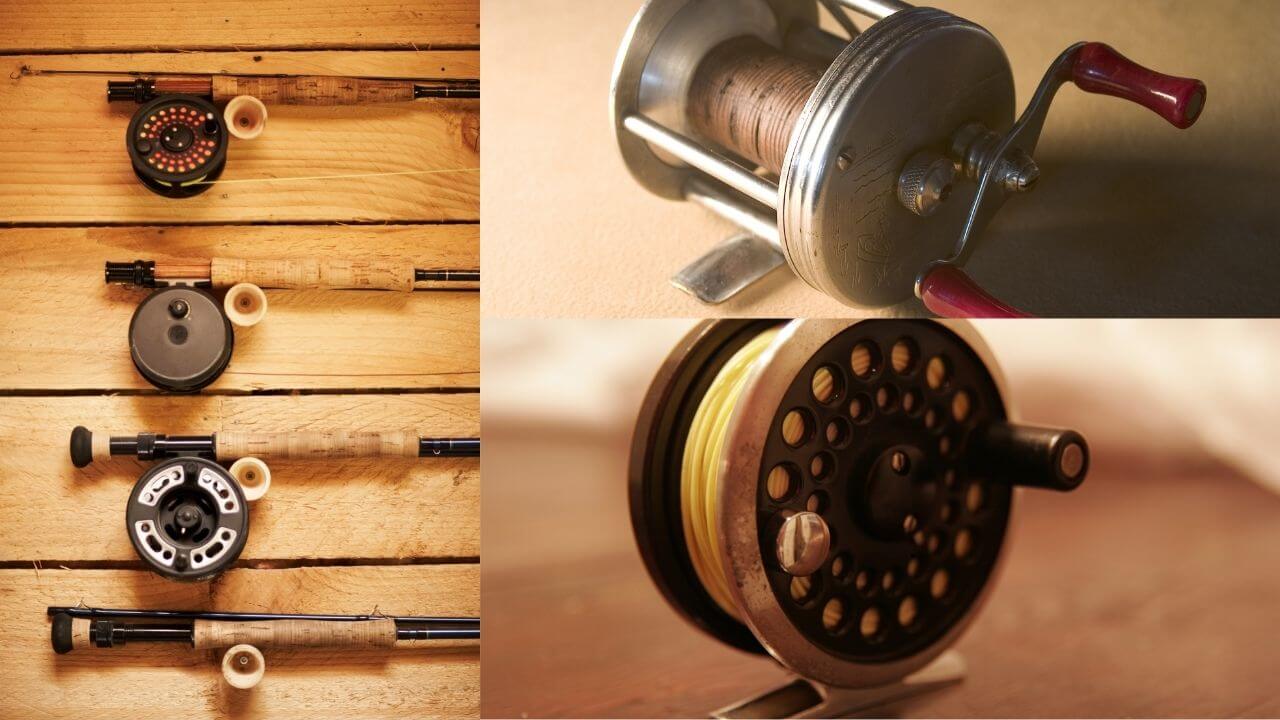
The very earliest fly fishing rods were made from some sort of hardwood, such as ash, lancewood, or greenheart. Then, back in 1850s, they started making fly fishing rods from Calcutta cane. In the nineteen hundreds, they started making saltwater fly fishing rods from bamboo Tonkin cane, and today bamboo Tonkin cane rods are still made – each bamboo cane fly rod is a handcrafted work of art that can cost thousands of dollars per rod. Today, most anglers use a graphite saltwater fly rod.

Today, handcrafted bamboo saltwater fly rods are still sought after, but these rods require a lot of maintenance to ensure that they do not get damaged by the elements. In the last fifty years, the modern saltwater fly rod has been made from fiberglass or graphite, and to a lesser extent these rods have also been made from steel, beryllium copper and even from boron.

The early graphite fly fishing rod models did not live up to expectations as they suffered from a few problems, which occurred because the manufacturers that used graphite were not fully able to understand the characteristics of the material – this led to persistent problems such as the rods either being too stiff or too strong – but, not both.

Today, the graphite saltwater fly rod is more reliable and provides a much higher performance than the early graphite rods – this is due to improvement in the materials, and also because of work done by the aerospace industry, which has changed the way that today’s graphite fly rods are being made. Modern graphite fly rods are lightweight, and are therefore less tiring, and easier to use when casting for extended periods.

SAGE Xi2 Saltwater Fly Fishing Rods


How to Choose a Saltwater Fly Rod

When choosing a saltwater fly rod, the first thing to consider is the rod action of the rod – this is how much the rod is able to bend when you are casting or when you are pulling in a fish on your line. For saltwater fly fishing, it is much better to choose a saltwater fly rod with a fast action as opposed to a rod with a slow action. A fast action rod is a rod that is not very flexible, and is almost stiff throughout its entire length, with maybe the only flexibility occurring near the tip of the rod.

There are three benefits to having a fast action rod for saltwater fly fishing. Firstly, a fast action rod is more powerful, and is able to cast a lot further than a slow action rod. Casting distance is important for saltwater fly fishing. Secondly, a fast action rod makes it easier to land large fish – the stiffness and strength of the rod makes it simpler to bring in the larger saltwater species of fish. Thirdly, as stiff action rods generate higher line speeds when casting, a stiff action rod will be able to cast better in windy conditions than a slow action rod. Wind is often a factor with saltwater fly fishing.

The length of any fly fishing rod is also important, and affects the performance of the fly rod. Different length rods are suited to different types of fly fishing, but generally for saltwater fly fishing, a rod should be somewhere between 8 foot and 9.5 foot in length.

For saltwater fly fishing, you normally use a fly line with a higher weight rating than you would use for freshwater fly fishing. This is because saltwater fish species are larger than freshwater fish species, and a heavier line is also required to cast in the windier conditions. You can also get away with using a heavier line than you would normally use for freshwater fishing, as the fish will not be able to see the line in the rougher sea conditions. The weight of the line used for saltwater fly fishing is normally between a 6-weight to a 15-weight, depending on the fish species you are trying to catch and the conditions you are fishing in. A saltwater fly fishing rod with a weight rating that matches your fly line should be used.

When buying a saltwater fly rod, remember to get one with stainless steel guides which will not rust (or any other composite material that will not corrode) . Also ensure that the guides are strong enough to handle the additional punishment of saltwater fly fishing. It is advisable to get a saltwater fly rod that contains at least 2 stripping guides.

It is a good idea to get a saltwater fly rod with a padded fighting butt which can either be fixed or removable. A padded fighting butt will provide more comfort when fishing for extended periods of time. Also look to get a saltwater fly rod with a cork grip (or grips), which has been proven over time as the most effective grip for saltwater conditions.

Sage Xi2 Fly Fishing Rod
Sage Xi2 Saltwater Fly Rods

The Sage Xi2 series of rods are built specifically for saltwater fly fishing, and use components that can withstand the saltwater conditions and the additional stresses that are placed on saltwater fly rods. The Sage Xi2 is rated as one of the top saltwater fly rods available today, and is Sage’s premier fast action, high performance saltwater fly rod.

The Xi2 series of rods were the first rods Sage constructed using their G5 graphite technology. This G5 technology means that the Xi2 rods are lighter than any previous saltwater rod series from Sage, whilst also being stronger and able to generate higher line speeds for longer saltwater casts. Thanks to G5 technology, the Sage Xi2 fly rods are easier to cast, and have a more responsive, lively feel compared to previous heavier saltwater rods.

The Sage Xi2 series includes thirteen rods ranging from 6-weight to 16-weight, so any saltwater fishing requirement is catered for. These rods come in four sections, and range in length between 8′ and 9′6″, with 9′ being the most popular length.

The guides used in the Sage Xi2 rods are heavy-duty, oversized English Hopkins and Holloway guides. The stripping guides are made from a heavy-duty wire, which are also braced for extra strength – unlike the stripping guides used in any other Sage rod series. More stripping guides are used on the Sage Xi2 series than on similar rods, two stripping guides on rods 10-weight and below, and three stripping guides on rods 11-weight and above. All the guides have a larger diameter than normal, which allows you to clear the line a lot easier, even when it bunches up on a fast running fish.

The reel seat of the Sage Xi2 is a salt-safe, heavy duty anodized aluminum uplocking reel seat, and the rod also includes a cork fighting butt. The cork grips are hand-turned smoothly from the finest individual Portuguese cork rings, and are saltwater resistant. All Sage Xi2 rods come with a limited lifetime warranty.

The Sage Xi2 deserves its reputation as being the best all around saltwater fly rod available today. Its main features are listed below:
  • Action: Fast
  • Line Sizes: 6 to 16 weight
  • Sections: 4
  • Rod Lengths: 8′ to 9′6″
  • Rod Construction: Sage G5 graphite technology
  • Guides: Heavy-duty, oversized English Hopkins & Holloway. Braced stripping guides
  • Reel Seat: Uplocking, salt-safe, heavy duty anodized aluminum reel seat
  • Cork Fighting Butt
  • Grips: Hand-turned Full Wells Portuguese cork grip. Saltwater resistant
  • Cloth sack and aluminum rod case
  • Limited Lifetime Warranty

Sage Xi2 Saltwater Fly Rods (6 to 10 weight)

Sage Xi2 Saltwater Fly Rods (11 to 14 weight)


Tags: , ,

Share/Bookmark
Leave a Reply

You can use these tags: <a href="" title=""> <abbr title=""> <acronym title=""> <b> <blockquote cite=""> <cite> <code> <del datetime=""> <em> <i> <q cite=""> <strike> <strong>